
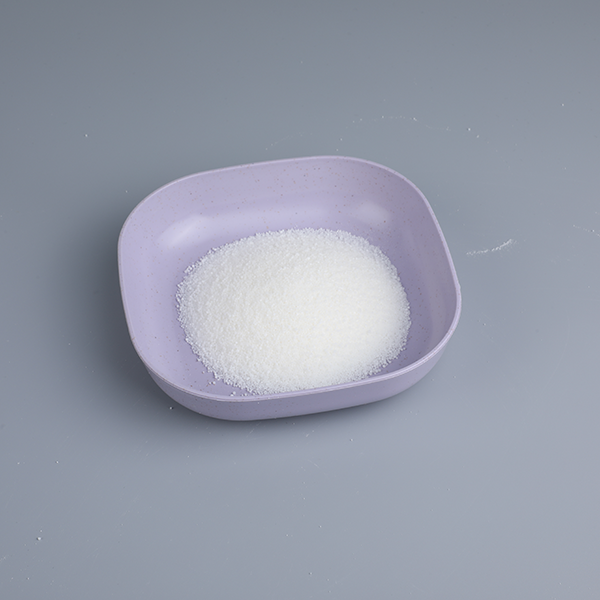
In the vast and intricate world of chemistry, salts occupy a fundamental role, serving as essential compounds in various scientific and industrial applications. Understanding the different types of salt not only sheds light on their chemical properties but also highlights their diverse uses across multiple sectors, including pharmaceuticals, manufacturing, and specialty chemicals. As a leading manufacturer in the chemical industry, our company, Wenzhou Blue Dolphin New Material Co., Ltd., is dedicated to providing high-quality chemical products that meet the evolving demands of our customers. Today, we delve into the world of salts, exploring their types, characteristics, and practical applications.
### What Are Salts in Chemistry?
In simplest terms, a salt in chemistry is an ionic compound formed from the neutralization reaction between an acid and a base. This reaction produces a salt and water, as exemplified by the classic neutralization of hydrochloric acid (HCl) with sodium hydroxide (NaOH), yielding sodium chloride (NaCl) and water (H2O). Salts consist of positively charged ions (cations) and negatively charged ions (anions), which combine to form a neutral compound.
### Types of Salts
Salts can be categorized based on several criteria including their chemical composition, solubility, and the nature of their constituent ions. The primary categories include:
1. **Normal Salts (Neutral Salts)**
Normal salts result from the complete replacement of hydrogen ions in an acid by metal ions or other cations. These salts are electrically neutral overall and do not contain any hydrogen or hydroxide ions. Classic examples include sodium chloride (NaCl), potassium nitrate (KNO3), and calcium carbonate (CaCO3). Normal salts play vital roles, ranging from everyday table salt to fertilizers and food preservatives.
2. **Acid Salts**
Acid salts form when the acid is only partially neutralized, and hence the salt still contains replaceable hydrogen ions. Such salts are often formed when a dibasic or tribasic acid reacts with a limited amount of base. For example, sodium bisulfate (NaHSO4) is an acid salt derived from sulfuric acid. Acid salts find use in various applications where mildly acidic environments are needed, as well as in the pharmaceutical industry.
3. **Basic Salts**
Basic salts, also known as alkaline salts, form when the base is only partially neutralized. They typically contain hydroxide ions alongside other salts. An example is basic lead carbonate (PbCO3·Pb(OH)2), which finds applications in pigments and corrosion inhibitors.
4. **Double Salts**
Double salts are formed when two different salts crystallize together in a fixed ratio to form a single crystalline complex. These salts dissociate into their constituent ions when dissolved in water. An example includes potassium alum (KAl(SO4)2·12H2O). Double salts are utilized in water purification, dye manufacturing, and as mordants in textiles.
5. **Complex Salts**
Complex salts contain complex ions, where metal ions are bonded to molecules or ions called ligands. Unlike double salts, complex salts do not dissociate fully into simpler salts when dissolved. An example is potassium ferricyanide (K3[Fe(CN)6]). These salts are important in analytical chemistry, electroplating, and various industrial processes.
6. **Hydrated and Anhydrous Salts**
Many salts crystallize along with definite amounts of water molecules called waters of crystallization. Hydrated salts, such as copper sulfate pentahydrate (CuSO4·5H2O), exhibit different physical and chemical properties compared to their anhydrous counterparts. Water presence may influence solubility, stability, and use in chemical reactions.
### Industrial and Pharmaceutical Significance
Salts are indispensable in the pharmaceutical industry, serving as raw materials for drug formulations, catalysts in manufacturing processes, and intermediates in chemical syntheses. For example, certain acid salts are used in buffering solutions to maintain pH levels in medications. Similarly, specialty salts play critical roles in manufacturing high-performance materials and chemicals.
Our company, **Wenzhou Blue Dolphin New Material Co., Ltd.**, champions a commitment to delivering an extensive range of chemical products tailored to meet specific industrial needs. With expertise in producing pharmaceutical raw materials as well as specialty chemicals, we ensure our customers can source the high-quality salts and related compounds required for their applications.
### Meeting Diverse Customer Needs
In today’s dynamic market, versatility and customization are key. At Wenzhou Blue Dolphin New Material Co., Ltd., we understand the varied requirements of industries reliant on chemical compounds. From stable, pure salts essential for pharmaceutical synthesis to specialty salts suitable for manufacturing unique materials, our portfolio encompasses a broad spectrum of products. Our stringent quality control, adherence to international standards, and constant innovation empower clients to optimize their processes and improve product outcomes.
### Future Outlook
The evolving landscape of chemical manufacturing continues to demand advanced materials and innovative solutions. As research progresses in fields such as green chemistry, nanotechnology, and biochemistry, new types of salts and their derivatives will likely emerge with specialized functionalities. Our company is poised at the forefront of this evolution, leveraging scientific expertise and manufacturing excellence to provide next-generation chemical solutions for global markets.
---
### Conclusion
Salts, with their myriad forms and functions, remain central to chemistry and industry. Understanding their types—from normal and acid salts to complex and double salts—offers insight into their broad applicability. Wenzhou Blue Dolphin New Material Co., Ltd. is proud to support this vital sector through a comprehensive range of high-quality chemical products designed to meet the specific demands of pharmaceutical and manufacturing industries. As we continue to innovate and expand, our commitment to customer satisfaction and chemical excellence remains unwavering.
For more information about our chemical products and capabilities, please visit our official channels and connect with our expert team. Together, we can explore the endless possibilities unlocked by the chemistry of salts.